The pulse of campus life
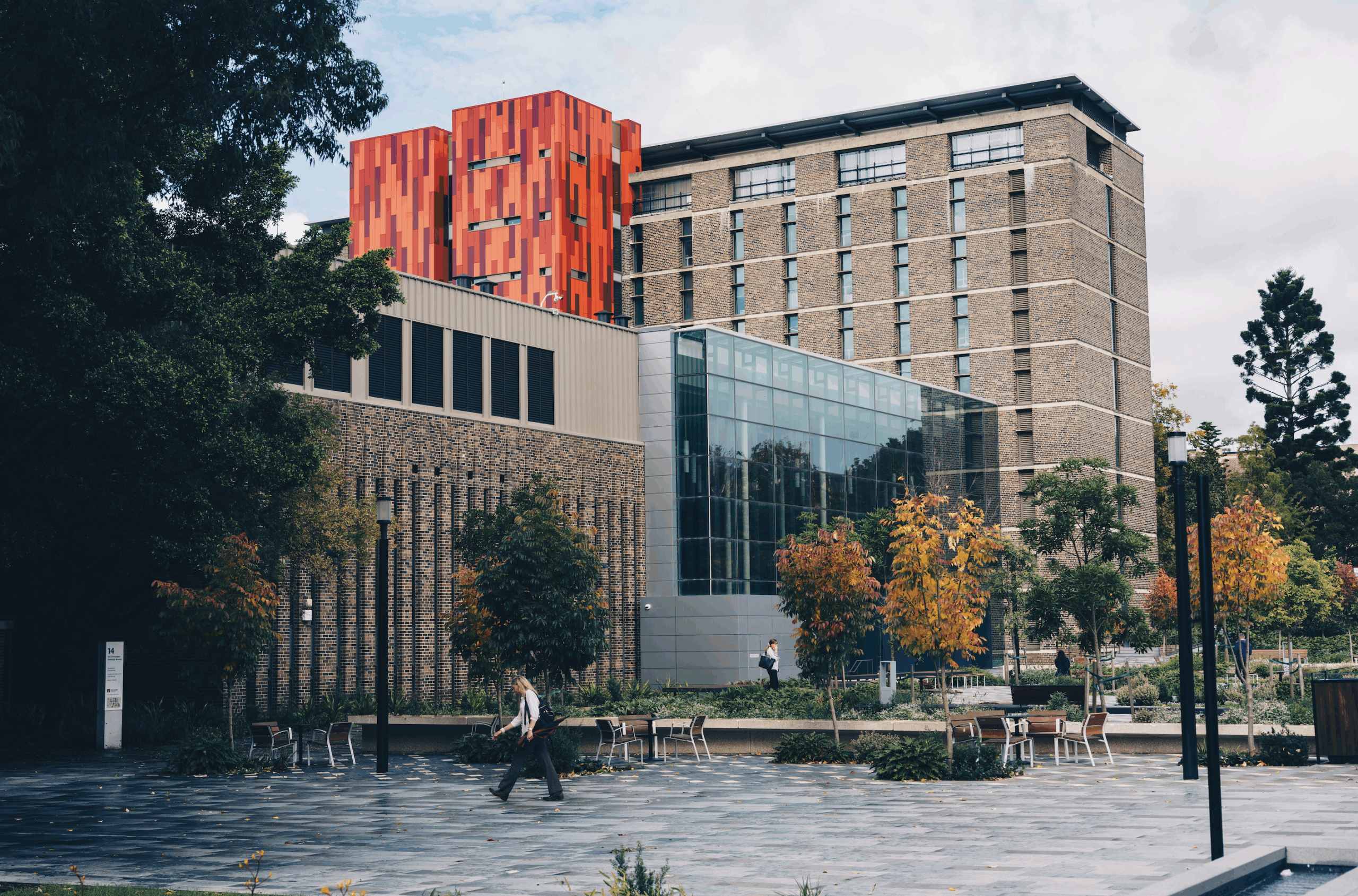
Walk across a campus in Melbourne or Sydney and you can feel the energy. There’s always something happening. Students meeting in cafés, groups spread across shared study areas, open computer rooms full of conversation.
These are reasons why campuses matter more than ever. With many lectures now available online, the times students are physically on campus are key opportunities to connect, collaborate, exchange ideas, and feel part of something shared.
The challenge of focus
But the same spaces that make collaboration easy can make focus difficult.
For every group working together, there are students trying to finish an essay, meet a deadline, or absorb material from a lecture, and they often struggle to find a quiet spot. Which begs the question, are we providing the best environment for our students, if they are needing to leave campus altogether in order to do their best learning?
Zooming out, there are other factors that make the need for quiet even more pressing.
For universities located in busy cities like Melbourne and Sydney, background noise can be constant: trams, traffic, construction, and crowded communal areas. It all adds up.
A study of university students across cities in England found that nearly a third of students said noise directly affects their ability to study. Although the research was conducted in Europe, the findings are relevant to campuses in Australia’s busiest cities: Melbourne, Sydney, and others where urban sound is part of daily life.
Noise isn’t just a minor nuisance; over time, it can have a real impact on concentration, stress, and wellbeing.
It raises a question for anyone designing or managing campus environments:
how can we provide spaces that support both focus and collaboration?
How Australian campuses are adapting
Across campuses around Australia, learning providers are rethinking how space supports study.
Instead of one-size-fits-all layouts, many are moving toward layered environments. Spaces that flex between focus and collaboration throughout the day.
Some universities are introducing cultural changes such as designated quiet zones or clearer expectations around noise. Others are exploring acoustic treatments or new layouts.
But large-scale renovations can be costly, and on heritage campuses like those across Melbourne, Sydney, and Adelaide, permanent building works are often off the table.
Practical solutions for flexible learning
That’s where modular acoustic pods offer a practical alternative. Pods create self-contained study spaces that reduce noise without the need for permanent construction. They’re cost-effective, quick to install, and can be moved or reconfigured as needs evolve.
Quiet spaces also make room for what psychologists call deep work. The kind of focused thinking that allows students to absorb, connect, and create ideas without interruption. It’s in these moments of sustained attention that real learning happens. We did an article on the importance of deep work here.
We’ve seen education providers use a mix of silent pods across campuses. From single-person acoustic pods for focused study to larger meeting pods for group work. It’s a simple way to restore balance: providing quiet without interrupting the flow of campus life.
How Pods work in a university setting
Study pods are simple by design.
Portable and flexible, they can be moved easily between buildings or study zones as student needs change. Their clean, modern look blends naturally into libraries, student commons, and open learning areas, and in cities like Sydney and Melbourne, they’re an affordable alternative to permanent fit-outs or new building works.
Inside, each privacy pod is equipped with power and data, so students can plug in laptops, charge devices, or connect to monitors for group projects and online tutorials.
Pods aren’t completely soundproof, and they don’t need to be. They’re designed to reduce everyday campus noise to a comfortable, private level, enough to make a conversation feel contained and a study session feel calm.
Our range of modular pods can support different styles of learning:
-
Single Pod: A quiet space for one student to study, revise, or take a tutorial call between classes.
-
Connect Pod: Slightly larger, designed for one person to work comfortably for longer sessions or small mentoring conversations.
-
Collab Pod: A meeting space for 2–4 students. Ideal for group assignments or small team discussions without disturbing others.
-
Boardroom Pod: The largest in the range, designed for 5–6 people. Equipped with a monitor, it’s ideal for hybrid tutorials or staff meetings that need privacy.
Each pod serves the same purpose: to bring calm, focus, and balance back into shared spaces.
Creating quiet on your campus
For universities planning new learning spaces or updating existing ones, our modular pods offer a simple and flexible way to create quiet without compromising collaboration.
If you’d like to explore what a Silent Pod could add to your campus, we’d be happy to chat.
