The sound we don’t see
What sounds can you hear around you?
Even in supposed silence, there’s always something. A motorbike in the distance, an air conditioner humming, footsteps, voices, a dog barking down the block.
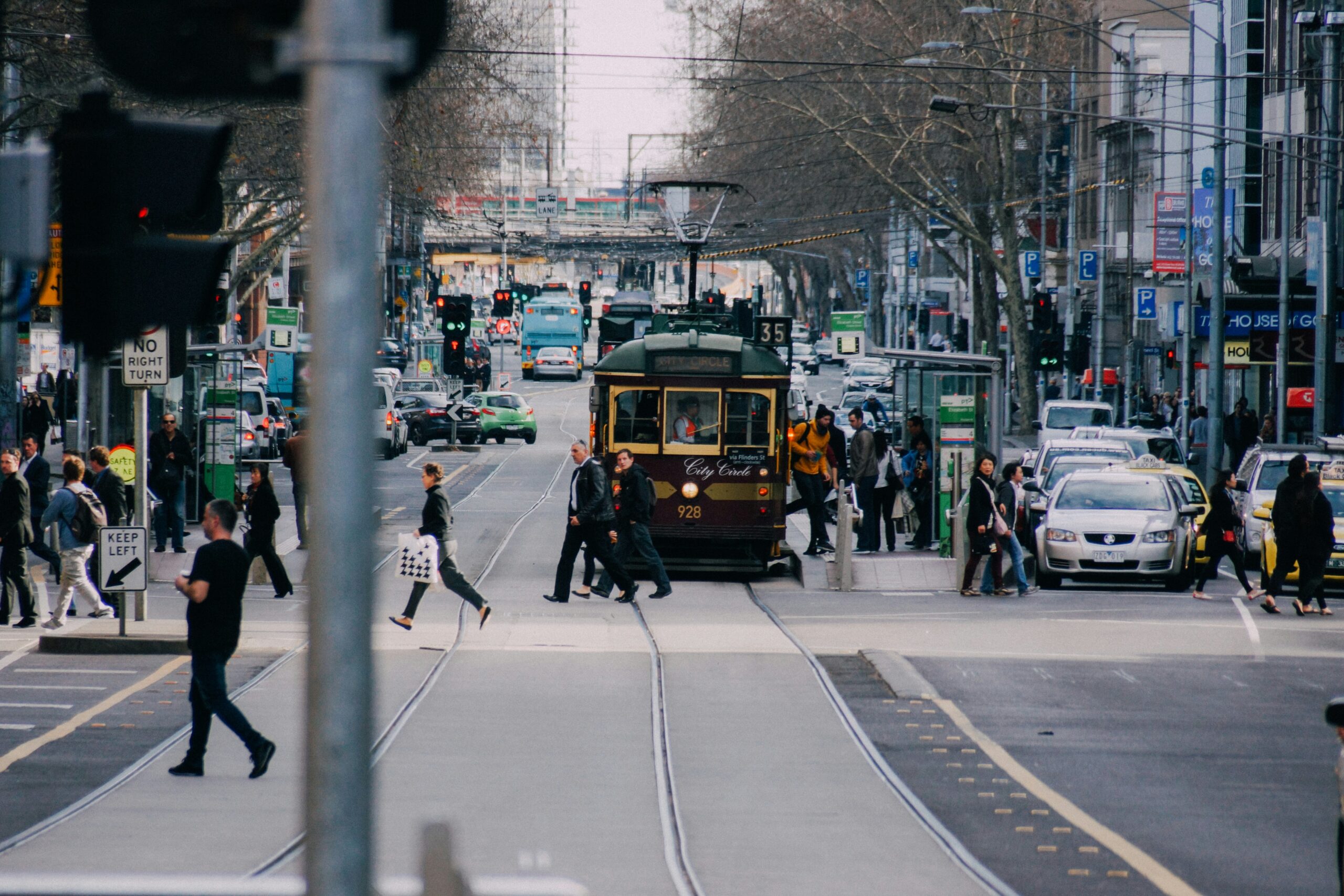
In cities like Sydney, Melbourne, and Brisbane, noise is part of daily life, so constant that most of us stop noticing it. We’ve learned to tune it out, but our bodies haven’t.
Our first warning systems
Long before cities and traffic, sound was one of our first warning systems.
A twig snapping, a sudden silence, a cry in the dark, these were signals that kept us alive. Our ears evolved to stay alert, even while we sleep.
That instinct still lives in us today. When a sound is sudden or unpredictable, the brain’s alarm system – the amygdala sends a signal to release stress hormones like cortisol and adrenaline.
Our heart rate rises. Blood pressure increases. Muscles tense, ready to react.
The difference now is that the threats are gone, but the noise isn’t.
Engines, phones, and construction noise keep those same stress circuits faintly switched on all day.
Over time, this quiet tension drains our focus, sleep, and energy, leaving the body in a low-level state of alert.
For children, chronic noise can affect concentration and learning. And for those living near airports, train lines, or busy roads, the exposure is constant.
We may think we’ve tuned out the noise, but our bodies haven’t.
A growing problem we can still solve
Australia’s cities are getting louder.
From early-morning construction to after-work traffic, constant sound has become part of daily life in Sydney, Melbourne, and Brisbane. As these cities grow denser, the hum of activity is harder to escape.
Since the 1960s, Australia’s urbanisation rate has remained above 80%. In 2024, it reached a record high of 86.7%, making Australia one of the most urbanised countries in the world.
That means more of us than ever are living close to the steady background noise of city life: traffic, construction, and air conditioning units that never quite switch off.
Regulations help, but rules alone can’t quiet the modern world.
The real solution lies in how we design. How we plan and shape the spaces where we live, learn, and work.
When we treat noise as pollution rather than something to simply live with, we start to see practical answers: smarter city planning, better materials, and policies that protect calm as a shared public good.
Change doesn’t have to wait for governments. It can start locally in classrooms, offices, libraries, and campuses across Australia.
Every calm space we create is a small act of care. One that helps people think, rest, and live better.
Small shifts that make a difference
The good news? Creating calmer environments doesn’t require a full redesign.
Even small, intentional choices can reduce stress and restore focus in shared spaces.
- Add soft materials: rugs, curtains, wall panels, or indoor plants (which thrive in Australia’s light-filled buildings) help absorb sound and soften harsh acoustics.
- Create micro-zones: dedicate calm corners or nooks within open areas for focus and calls.
- Use natural barriers: shelving, screens, or even greenery can subtly separate lively and calm zones.
- Rethink tech placement: printers, vents, and coffee machines add background hum; moving them helps more than you’d think.
Treat calm as a shared resource. Like fresh air or natural light, it supports wellbeing, and it deserves intentional space in every Australian workplace and learning environment.
Designing calm into everyday spaces
Across Australia, many offices, schools, and universities are finding a simple way to bring more calm into busy environments: modular office pods.
These flexible, self-contained spaces create pockets of quiet in open areas without the need for major renovation.
In a city office, they offer a place to step away from the buzz of open-plan work. On campus, they give students somewhere to recharge, focus, or join a call without distraction.
At Silent Pod, our range of acoustic pods is designed to bring calm wherever people work or learn:

Single Pod
- Single Pod: A quiet spot for one person to focus, revise, or take a private call.
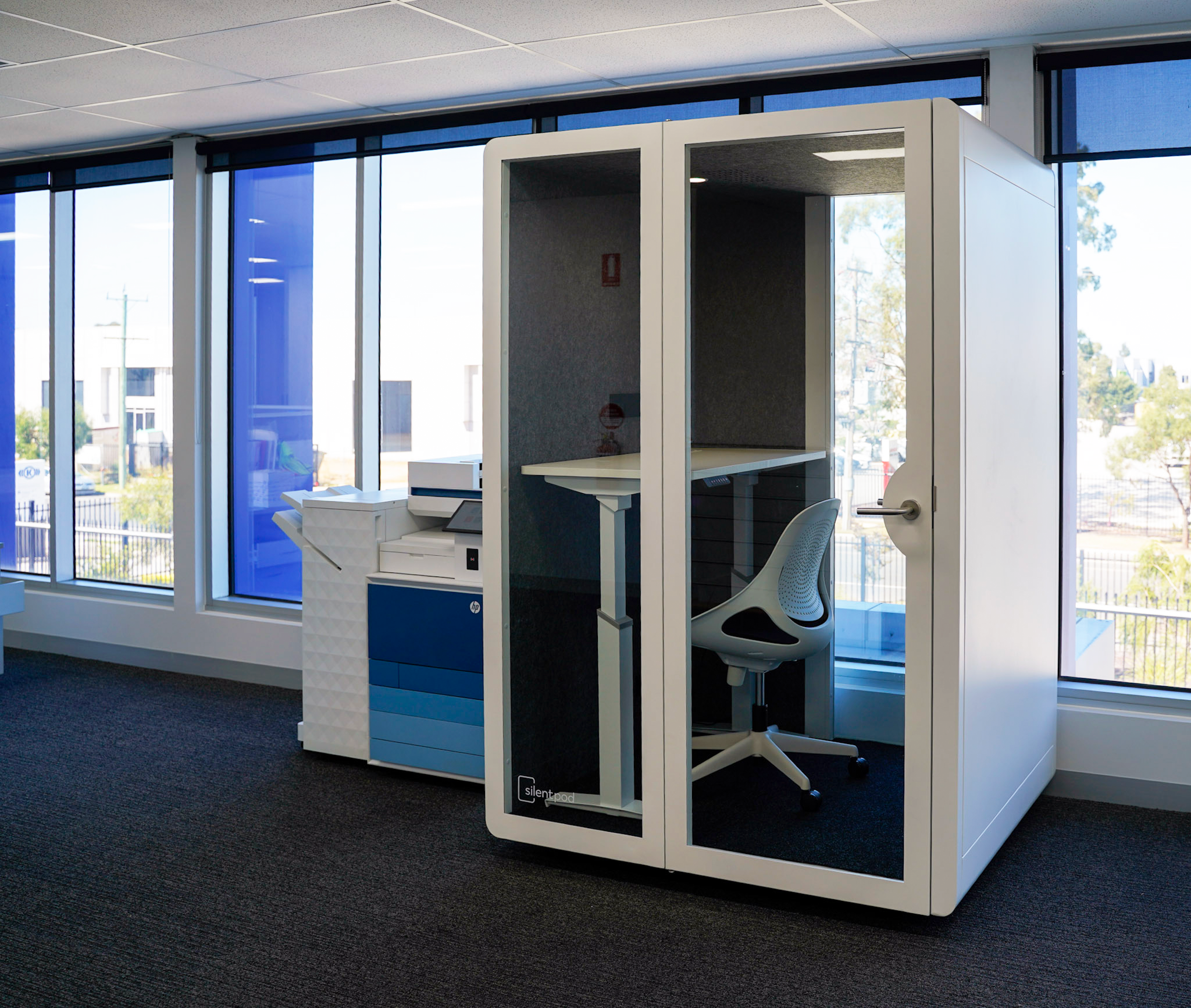
Connect Pod
- Connect Pod: Slightly larger, ideal for longer study sessions or one-on-one meetings.
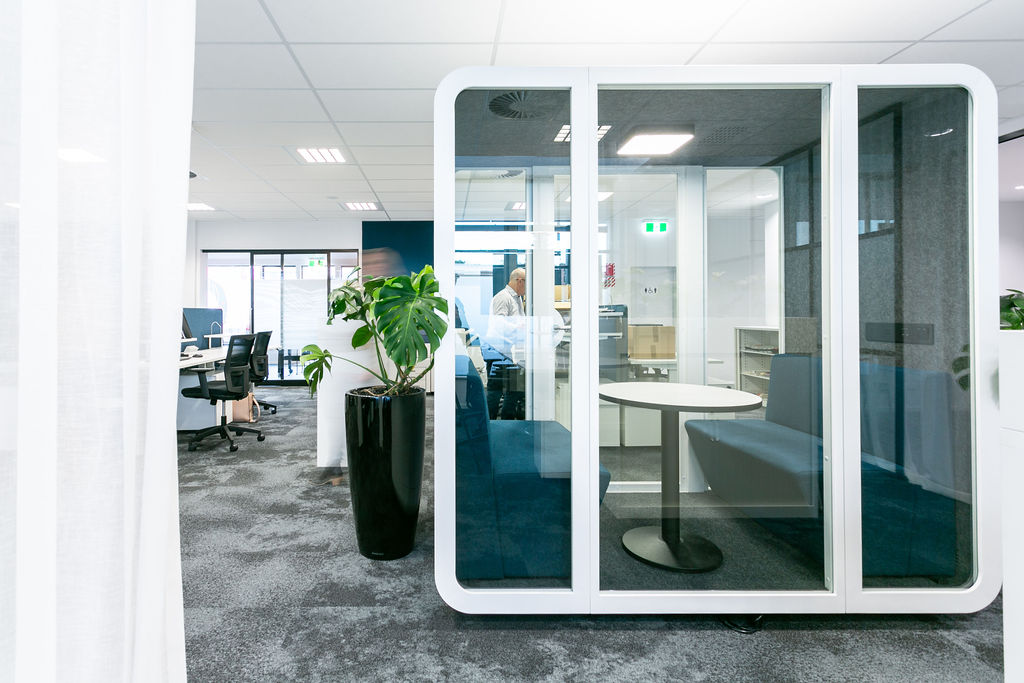
Collab Pod
- Collab Pod: A shared space for small teams to collaborate without disturbing others nearby.
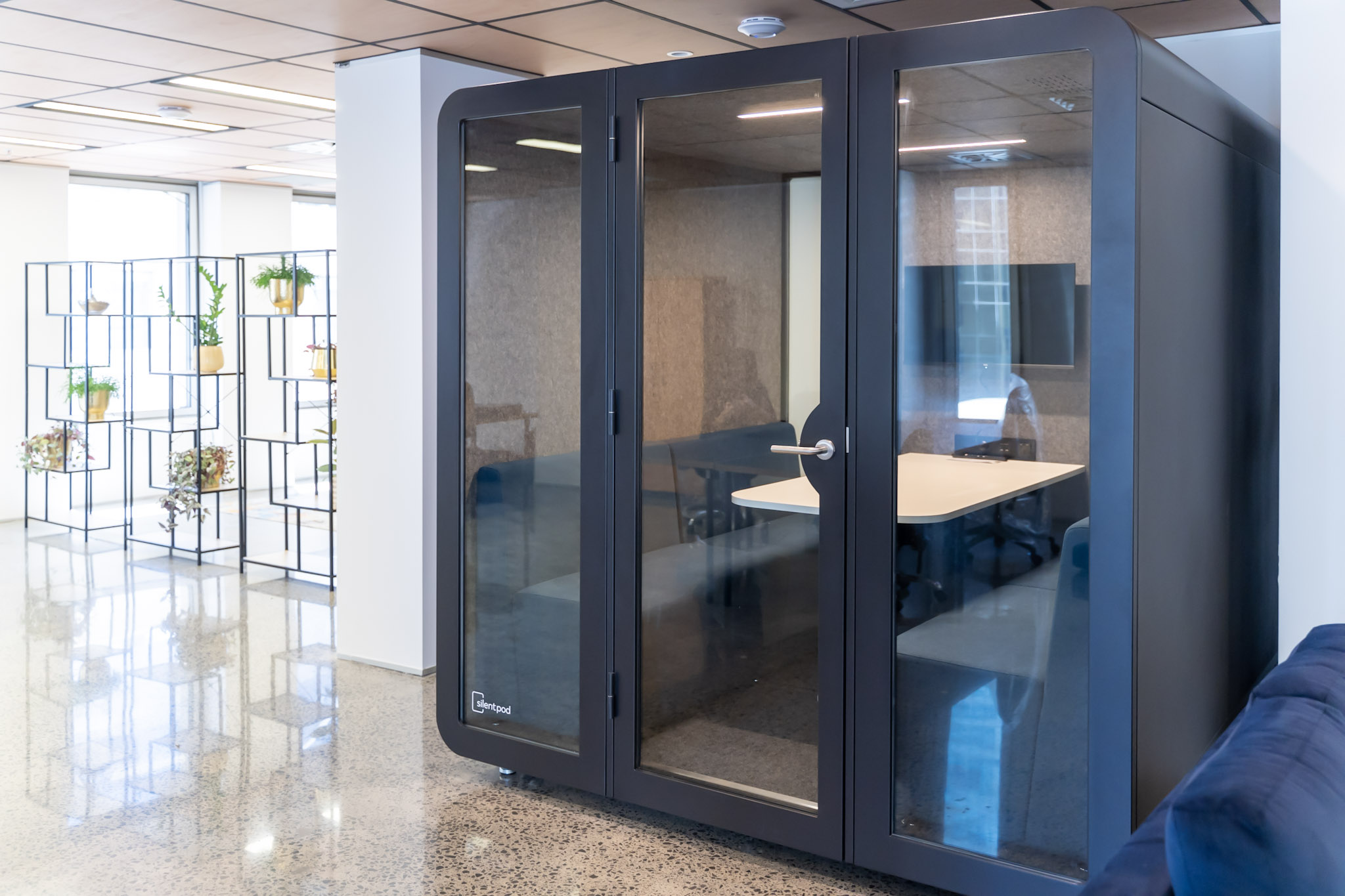
Boardroom Pod
- Boardroom Pod: Our largest model, equipped with power and ventilation for hybrid meetings and group sessions.
Each pod supports the same goal: to help people think, create, and connect in peace.
Thank you for reading.
If you’d like to explore how Silent Pod can help bring more calm into your workplace, school, or campus, we’d love to chat.
You can visit our showrooms in Melbourne or Sydney, or reach out to our team to learn more.
This article was inspired by ongoing research into the health effects of noise pollution, including this piece from UC Davis.
